
News

Far UV News, White Papers, Applications, Press Releases, and more.
Far UV Technologies Recognized by Startup City APAC for Innovative Air Hygiene Solutions

2026-10-15T17:27:25-05:00

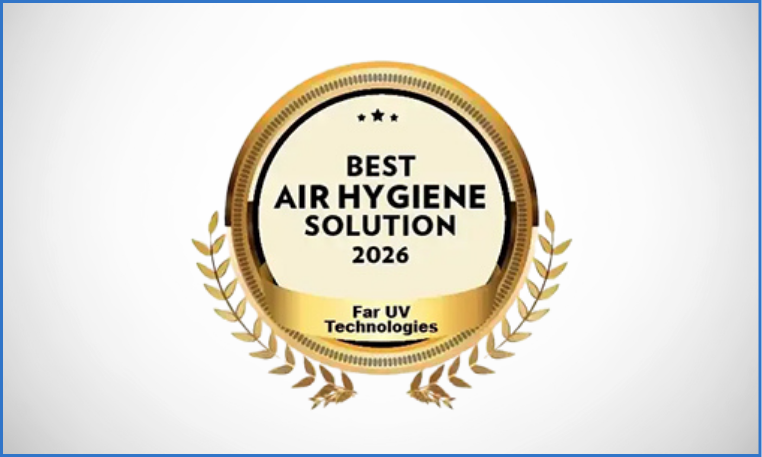
Far UV Technologies has been featured by Startup City APAC as a Best Air Hygiene Solution for 2026, highlighting the company's commitment to advancing continuous pathogen mitigation in occupied indoor environments. The feature explores Far UV Technologies' integrated approach to indoor air hygiene, combining Far-UVC technology, upper-room germicidal ultraviolet systems, HEPA filtration, and customized solutions designed for healthcare facilities, schools, transportation, and other shared spaces. The article also highlights the company's large-scale deployment across 331 school buses in South Carolina, supporting air hygiene efforts for more than 33,000 students and hundreds of drivers. By emphasizing safety, scientific validation, and practical implementation, [...]
Far UV Technologies Recognized by Startup City APAC for Innovative Air Hygiene Solutions2026-10-15T17:27:25-05:00

Study Highlights Respiratory Infection Risks Among Professional Ice Hockey Players

2026-10-09T10:37:51-05:00

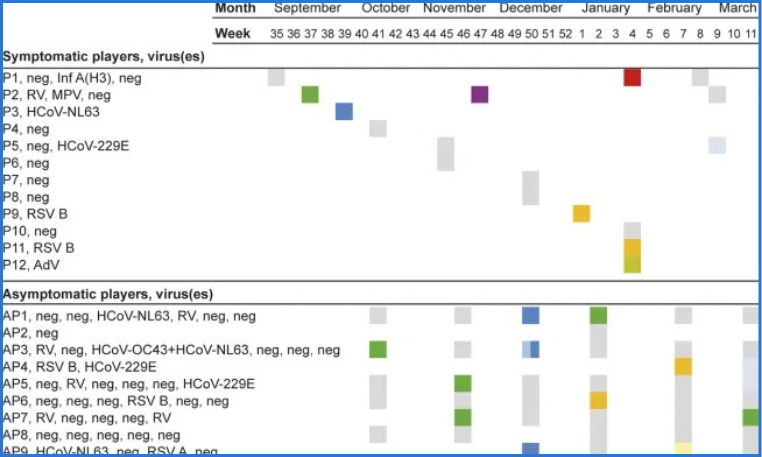
A 2026 study published in Frontiers in Sports and Active Living examined the frequency and impact of respiratory viral infections among 81 professional ice hockey players and 18 staff members across three Finnish teams during a competitive season. Researchers found that 93% of players experienced at least one respiratory illness, with COVID-19, rhinoviruses, and influenza A among the most frequently identified viruses. Illnesses also affected team availability, with 34% of documented symptomatic episodes resulting in missed games and 52% in missed practices. The study also identified potential viral transmission within teams and elevated carbon dioxide levels in one team's locker room, [...]

Study Highlights Respiratory Infection Risks Among Professional Ice Hockey Players2026-10-09T10:37:51-05:00

Far-UVC Technology Shows Promise in Reducing Poultry-Related Viral Contamination

2026-10-09T10:37:48-05:00

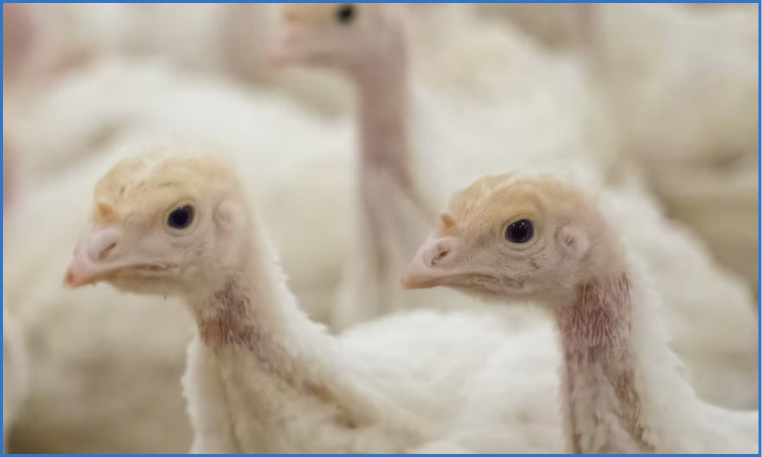
Researchers at the University of Minnesota are exploring the potential of 222 nm Far-UVC light to help control avian metapneumovirus (aMPV), a contagious respiratory virus affecting poultry populations, particularly turkeys. Research presented at PEAK 2026 examined how Far-UVC light performs against the virus on different materials commonly found in poultry facilities. Initial findings demonstrated substantial reductions in detectable virus on nonporous surfaces, including metals and plastics, within approximately 10 minutes of exposure. Porous materials, such as wood, fabric, and cardboard, also showed reductions, although results varied depending on the surface. These findings highlight the potential of Far-UVC technology as an additional [...]

Far-UVC Technology Shows Promise in Reducing Poultry-Related Viral Contamination2026-10-09T10:37:48-05:00

Continuous exposure to 222nm (Far-UVC) is proven to be safe for human skin

2026-09-04T14:55:12-05:00

Kobe University and Ushio Inc. finds evidence of 222nm being non-carcinogenic. Research conducted by Kobe University and Ushio Inc. examined the potential safety of repeated exposure to 222-nm ultraviolet-C (Far-UVC) light, a wavelength being studied for its ability to inactivate microorganisms while causing less damage to living tissue than conventional germicidal UV. Traditional 254-nm UVC is highly effective against bacteria and other microorganisms, but because it can penetrate more deeply into the skin and eyes, its use has generally been restricted when people are present. The researchers therefore investigated whether 222-nm Far-UVC could offer germicidal benefits with a lower risk of [...]

Continuous exposure to 222nm (Far-UVC) is proven to be safe for human skin2026-09-04T14:55:12-05:00

Allergens and Asthma Triggers, Inactivated with Far-UV (222nm)

2026-09-04T14:55:45-05:00

A wavelength that can cut airborne allergens by a quarter while still safe enough for human exposure. A recent study suggests that far-ultraviolet light at 222nm (Far-UVC) may have applications beyond microbial control by reducing the immune recognition of common airborne allergens. Allergens from sources such as dust mites, cats, dogs, grass, birch pollen, and mold can remain suspended indoors and contribute to allergic reactions and asthma. Because these allergens may persist in indoor environments for long periods, researchers have been exploring practical methods that could continuously reduce allergen exposure in occupied spaces. Researchers evaluated UV222 in a controlled 10-cubic-meter chamber [...]

Allergens and Asthma Triggers, Inactivated with Far-UV (222nm)2026-09-04T14:55:45-05:00

From pathogen droplet protocols to defenses against airborne transmissions.

2026-08-28T10:20:09-05:00

With WHO publishing a consultation report on updated terminologies, a shift in focus from Pathogen Droplets to Aerosolized Pathogens, and healthcare facilities throughout the world implementing new strategies to take into account Air Changes per Hour (ACH). The SARS-CoV-2 pandemic has bought onto mind a new mindset in preventing their transmission. Since many viruses, including SARS-CoV-2, are capable of becoming aerosolized, this puts anyone nearby at risk of infection from any aerosolized pathogens. Of course, this depends on the dosage of said pathogen, which differs depending on the pathogen. As of 2026, the US is currently concerned with 3 commonly aerosolized [...]

From pathogen droplet protocols to defenses against airborne transmissions.2026-08-28T10:20:09-05:00

Using Far-UVC Lamps to Prevent the Next Covid-19

2026-08-19T17:20:52-05:00

Fighting Covid-19, tuberculosis, flus, and other airborne diseases with Ultraviolet light. Far-UVC is becoming an ever more popular tool for reducing the spread of airborne infectious diseases. Generally referring to ultraviolet light with the wavelength of 222nm, the light is capable inactivating airborne pathogens while posing substantially less risk to human skin and eyes than conventional germicidal UV wavelengths. Schools, hospitals, offices, retail environments, and other various indoor spaces could significantly reduce disease transmission and potentially help contain future pandemics, such as from a future Covid-19, before they could even become widespread. Still, there have been concerns with how Far-UVC can [...]

Using Far-UVC Lamps to Prevent the Next Covid-192026-08-19T17:20:52-05:00

Ultraviolet Light vs Airborne Allergens

2026-08-19T17:18:54-05:00

Nearly one-third of U.S. adults and children have been diagnosed with an allergic condition, with reactions varying in severity. Airborne allergens, often proteins from animal or plant sources, can persist in indoor environments for years due to their structural stability. Researchers from the University of Colorado Boulder, USA are able to determine that Far-UVC, a special Ultraviolet wavelength safe for human contact, is capable of inactivating protein allergens. The researchers have first used a controlled experimental system, releasing common allergens from mites, pet dander, mold, and pollen into a small chamber. Afterwards, they would switch on four Far-UVC lamps for 30 [...]

Ultraviolet Light vs Airborne Allergens2026-08-19T17:18:54-05:00

The Dangers of Airborne Pathogens

2026-08-11T12:28:31-05:00

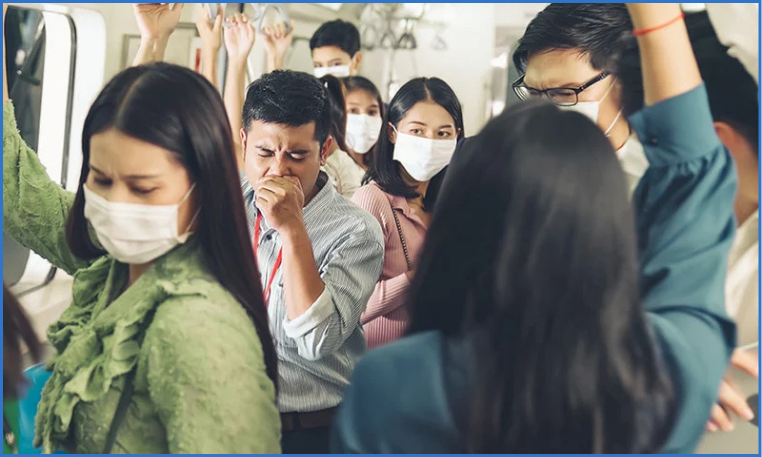
Infectious particles can accumulate in occupied indoor environments and expose multiple individuals, even without direct physical contact. Airborne pathogens can spread through microscopic respiratory particles released when people breathe, speak, cough, or sneeze. Because many of these aerosols can remain suspended in the air for extended periods, they may expose people even without close or direct contact with an infected individual. This makes airborne transmission particularly difficult to control in enclosed indoor spaces, where infectious particles can accumulate and circulate through shared air. Several factors determine how easily airborne pathogens spread, including particle size, ventilation, humidity, exposure time, and the number [...]

The Dangers of Airborne Pathogens2026-08-11T12:28:31-05:00

Assessing the Use of UV-C in HVAC Systems

2026-08-11T12:29:10-05:00

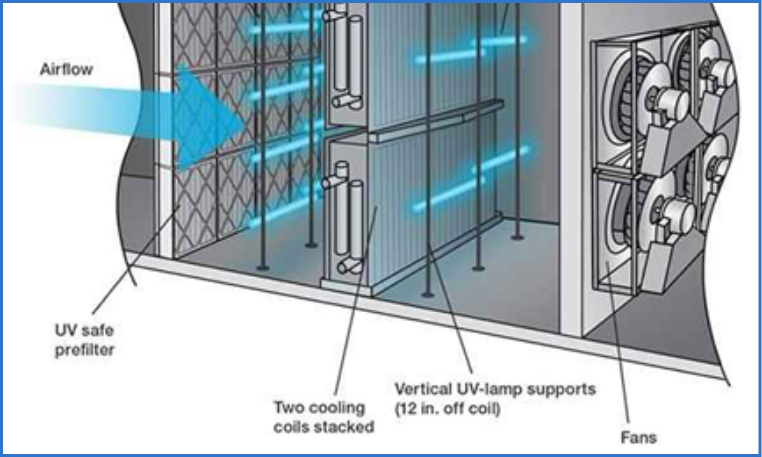
Contamination control, Risk Management, and Quality Management when monitoring UV-C in HVAC Systems UV-C technology is becoming an increasingly important part of contamination control in pharmaceutical manufacturing and healthcare environments, particularly when incorporated into HVAC systems. These facilities depend heavily on controlled airflow, temperature, humidity, pressure, and filtration to protect products, patients, and critical processes from contamination. As UV-C is added as another layer of microbial control, it must be argued that it's performance should be monitored with the same level of attention given to other important HVAC parameters. UV-C systems installed within HVAC equipment can help reduce microorganisms both in [...]

Assessing the Use of UV-C in HVAC Systems2026-08-11T12:29:10-05:00
Go to Top