

Officials have not yet determined the original source of the contamination, which has caused illness in more than 72 people over the past month.
During a Legionnaires’ disease outbreak affecting New York City’s Upper East Side, more than six dozen people became ill over approximately one month. Though health officials said no new patients had developed symptoms during the preceding 10 days, indicating that the outbreak is slowing down. At the time of the report, eight patients remained hospitalized, while 56 had been discharged.
Legionnaires’ disease is a treatable form of pneumonia caused by inhaling water droplets contaminated with Legionella. The bacteria can grow in warm-water systems, including hot tubs and building cooling equipment. The illness does not normally spread directly between people, but it can be serious and is fatal in roughly 10% of cases. Tests found Legionella bacteria in 34 cooling towers across 33 buildings, and the affected systems were being cleaned.
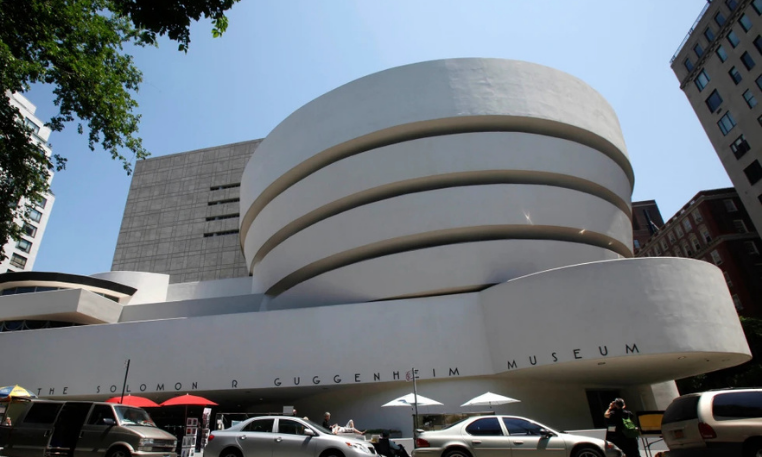
The outbreak raised concerns because bacteria were detected in cooling equipment at apartment buildings, private schools and prominent museums despite stricter testing rules and increased inspection funding. City officials said they would study what caused the outbreak and revise procedures to help prevent future incidents. The Health Department also reported completing nearly 1,600 cooling-tower inspections during the first half of the year, 35% more than during the same period in 2025.