

spepito

About Sean Pepito

This author has not yet filled in any details.
So far Sean Pepito has created 29 blog entries.

Using Far-UVC Lamps to Prevent the Next Covid-19

2026-08-19T17:20:52-05:00

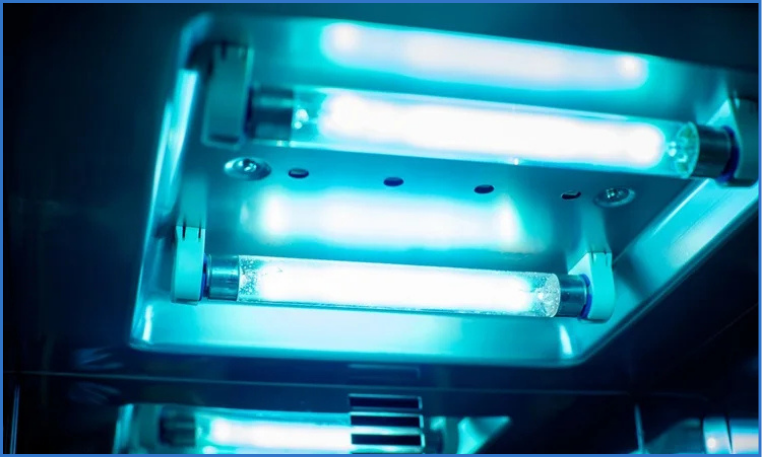
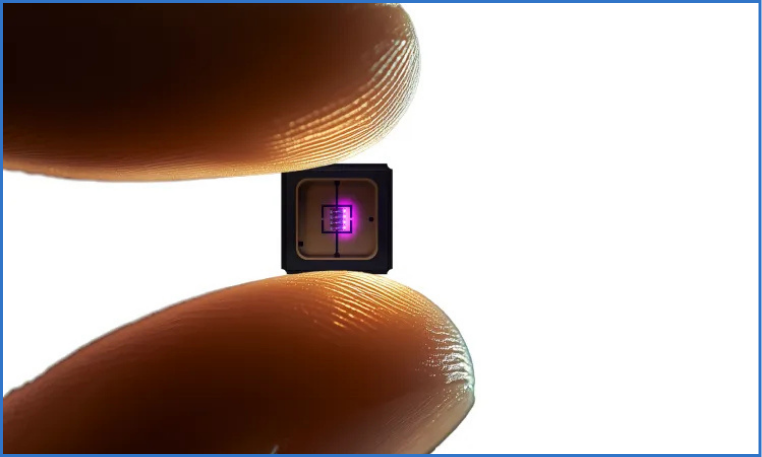
Fighting Covid-19, tuberculosis, flus, and other airborne diseases with Ultraviolet light. Far-UVC is becoming an ever more popular tool for reducing the spread of airborne infectious diseases. Generally referring to ultraviolet light with the wavelength of 222nm, the light is capable inactivating airborne pathogens while posing substantially less risk to human skin and eyes than conventional germicidal UV wavelengths. Schools, hospitals, offices, retail environments, and other various indoor spaces could significantly reduce disease transmission and potentially help contain future pandemics, such as from a future Covid-19, before they could even become widespread. Still, there have been concerns with how Far-UVC can [...]

Using Far-UVC Lamps to Prevent the Next Covid-192026-08-19T17:20:52-05:00

Ultraviolet Light vs Airborne Allergens

2026-08-19T17:18:54-05:00

Nearly one-third of U.S. adults and children have been diagnosed with an allergic condition, with reactions varying in severity. Airborne allergens, often proteins from animal or plant sources, can persist in indoor environments for years due to their structural stability. Researchers from the University of Colorado Boulder, USA are able to determine that Far-UVC, a special Ultraviolet wavelength safe for human contact, is capable of inactivating protein allergens. The researchers have first used a controlled experimental system, releasing common allergens from mites, pet dander, mold, and pollen into a small chamber. Afterwards, they would switch on four Far-UVC lamps for 30 [...]

Ultraviolet Light vs Airborne Allergens2026-08-19T17:18:54-05:00

The Dangers of Airborne Pathogens

2026-08-11T12:28:31-05:00

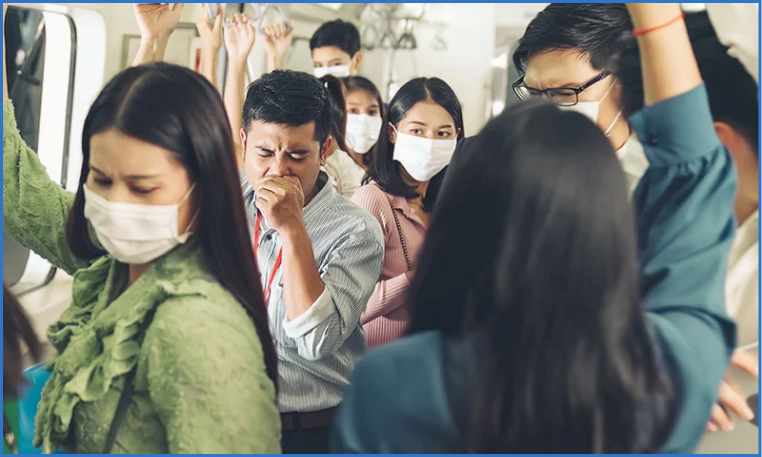
Infectious particles can accumulate in occupied indoor environments and expose multiple individuals, even without direct physical contact. Airborne pathogens can spread through microscopic respiratory particles released when people breathe, speak, cough, or sneeze. Because many of these aerosols can remain suspended in the air for extended periods, they may expose people even without close or direct contact with an infected individual. This makes airborne transmission particularly difficult to control in enclosed indoor spaces, where infectious particles can accumulate and circulate through shared air. Several factors determine how easily airborne pathogens spread, including particle size, ventilation, humidity, exposure time, and the number [...]

The Dangers of Airborne Pathogens2026-08-11T12:28:31-05:00

Assessing the Use of UV-C in HVAC Systems

2026-08-11T12:29:10-05:00

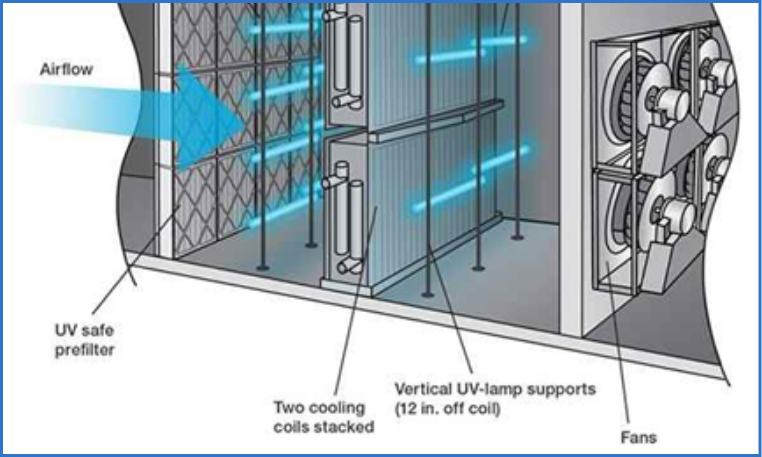
Contamination control, Risk Management, and Quality Management when monitoring UV-C in HVAC Systems UV-C technology is becoming an increasingly important part of contamination control in pharmaceutical manufacturing and healthcare environments, particularly when incorporated into HVAC systems. These facilities depend heavily on controlled airflow, temperature, humidity, pressure, and filtration to protect products, patients, and critical processes from contamination. As UV-C is added as another layer of microbial control, it must be argued that it's performance should be monitored with the same level of attention given to other important HVAC parameters. UV-C systems installed within HVAC equipment can help reduce microorganisms both in [...]

Assessing the Use of UV-C in HVAC Systems2026-08-11T12:29:10-05:00

HPAI Can Potentially Be Prevented With Far-UVC Light

2026-08-05T11:28:00-05:00

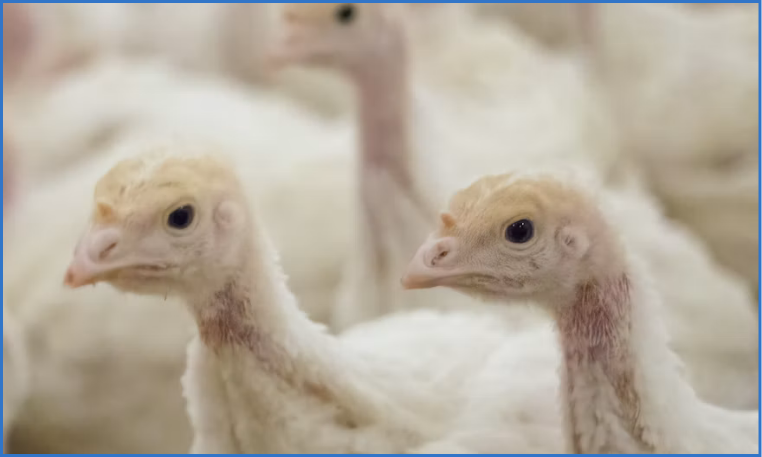
Far-UVC, a technology initially developed as a way to combat COVID-19, is now being evaluated for its ability to prevent disease transmission among birds in poultry facilities. Researchers are evaluating whether Far-UVC light can help prevent highly pathogenic avian influenza (HPAI) from spreading through commercial poultry barns. The project, supported by an HPAI Poultry Innovation Grand Challenge Award, will examine whether the technology can continuously reduce airborne virus levels and serve as an additional biosecurity measure. Columbia University researcher David Welch noted that far-UVC systems are already available, but scientists must determine how effective they are in agricultural environments and how [...]

HPAI Can Potentially Be Prevented With Far-UVC Light2026-08-05T11:28:00-05:00

The Government’s Classified Plan for Biological War

2026-07-27T14:33:34-05:00

Rapidly declining government preparedness gaps and public mistrust could turn a single biological incident into a worldwide crisis. Investigative journalist Annie Jacobsen discusses her book Biological Warfare: A Scenario, which examines how a severe biological incident, whether caused by an attack, accident, or laboratory leak, could rapidly destabilize society. Biological threats may be especially dangerous because pathogens can spread invisibly through people and across borders. Airborne pathogens receive particular attention because they can remain suspended indoors and spread through ordinary human breathing and movement. One of the biggest thing to note is that biotechnology inherently has "dual-use". The same genetic-engineering tools [...]

The Government’s Classified Plan for Biological War2026-07-27T14:33:34-05:00

CDC Warns That Whooping Cough Continues to Spread This Summer

2026-07-24T16:26:53-05:00

The CDC reported in its Respiratory Illnesses Data Channel update that whooping cough continues to spread throughout the United States this summer. Whooping cough, or pertussis, continued circulating across the United States during summer 2026, even though overall respiratory-illness activity was relatively low. Based on CDC surveillance through late May, approximately 4,724 cases and two child deaths had been reported. Although case numbers were substantially lower than during the unusually high levels recorded in 2025, the disease remained a public-health concern, particularly in California, Washington, Ohio, Florida, and Oregon. Pertussis is a highly contagious bacterial respiratory infection that can affect people [...]

CDC Warns That Whooping Cough Continues to Spread This Summer2026-07-24T16:26:53-05:00

Fifth Death Reported in New York City Legionnaires’ Disease Outbreak

2026-07-24T16:25:40-05:00

Officials have not yet determined the original source of the contamination, which has caused illness in more than 72 people over the past month. During a Legionnaires’ disease outbreak affecting New York City’s Upper East Side, more than six dozen people became ill over approximately one month. Though health officials said no new patients had developed symptoms during the preceding 10 days, indicating that the outbreak is slowing down. At the time of the report, eight patients remained hospitalized, while 56 had been discharged. Legionnaires’ disease is a treatable form of pneumonia caused by inhaling water droplets contaminated with Legionella. The [...]

Fifth Death Reported in New York City Legionnaires’ Disease Outbreak2026-07-24T16:25:40-05:00

Using 222 nm Far-UVC to Reduce Airborne Bacteria in an Occupied Dental Clinic

2026-07-24T16:24:51-05:00

Harnessing Far-UVC Light to Combat Airborne Diseases in Public Spaces Columbia University’s Center for Radiological Research is studying Far-UVC light as a method for reducing airborne disease transmission in occupied public spaces. Focusing on wavelengths around 220–222 nanometers, which can inactivate airborne microorganisms such as influenza viruses, coronaviruses, and bacteria, the goal of the study is to prevent infections by destroying pathogens while they are still circulating in the air rather than treating people after they become sick. Though conventional germicidal ultraviolet light (GUV) can also kill airborne pathogens, it can still damage the skin and eyes when directly exposed. Columbia’s [...]

Using 222 nm Far-UVC to Reduce Airborne Bacteria in an Occupied Dental Clinic2026-07-24T16:24:51-05:00

New technology that can rapidly detect airborne pathogens

2026-07-15T10:08:43-05:00

ARPA-H and the BREATHE (Building Resilient Environments for Air and Total Health) Program Environmental engineer Linsey Marr and her Virginia Tech team demonstrated a prototype that can detect tiny concentrations of airborne contaminants, including dust mite allergens, influenza, coronavirus, and E. coli, almost in real time. Traditional air testing can take days, making it difficult to respond before people are exposed. The initiative builds on research dating back to the 1930s, when William and Mildred Wells showed that ultraviolet light could disinfect classroom air and reduce measles transmission. Despite these findings, airborne disease prevention was largely neglected until COVID-19 highlighted the [...]

New technology that can rapidly detect airborne pathogens2026-07-15T10:08:43-05:00
Go to Top