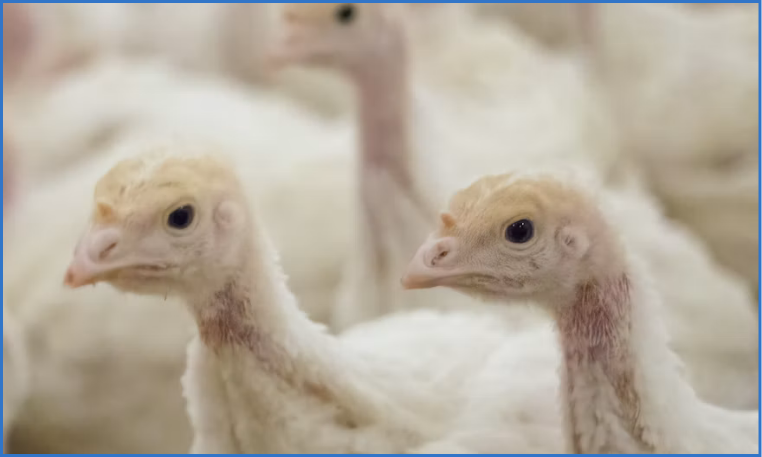

Far-UVC, a technology initially developed as a way to combat COVID-19, is now being evaluated for its ability to prevent disease transmission among birds in poultry facilities.
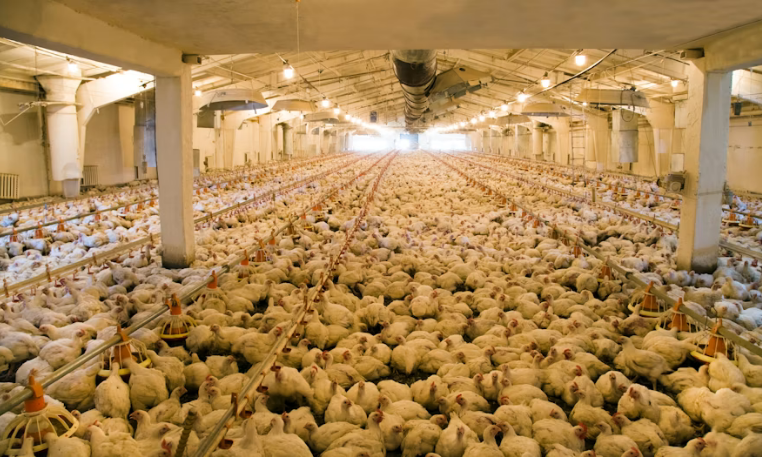
Researchers are evaluating whether Far-UVC light can help prevent highly pathogenic avian influenza (HPAI) from spreading through commercial poultry barns. The project, supported by an HPAI Poultry Innovation Grand Challenge Award, will examine whether the technology can continuously reduce airborne virus levels and serve as an additional biosecurity measure. Columbia University researcher David Welch noted that far-UVC systems are already available, but scientists must determine how effective they are in agricultural environments and how they should be deployed.
Unlike conventional germicidal UVC, which can damage the skin and eyes during direct exposure, Far-UVC uses shorter wavelengths designed to inactivate viruses, bacteria, and other pathogens with less penetration into biological tissue. The technology gained attention during the COVID-19 pandemic and has since been explored for controlling airborne infections in occupied spaces. Previous research suggests that Far-UVC can inactivate influenza viruses, but its effectiveness and safety inside working poultry facilities still need to be confirmed.
Testing will progress from laboratory cell cultures to animal studies and, eventually, commercial-style conditions. Far-UVC will first be tested against the H9N2 and H5N1 influenza strains, then examine whether it can prevent transmission between infected and uninfected chickens that share the same air without direct contact. Parallel studies will monitor the birds’ eyes, health, growth, and development, followed by field testing in a Texas A&M poultry barn. The goal is to determine whether Far-UVC can safely work with, not outright replace, standard cleaning practices.