
A wavelength that can cut airborne allergens by a quarter while still safe enough for human exposure.
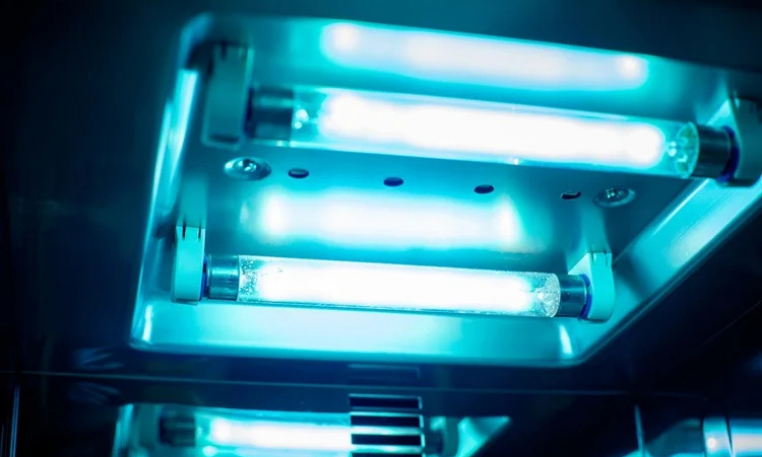
A recent study suggests that far-ultraviolet light at 222nm (Far-UVC) may have applications beyond microbial control by reducing the immune recognition of common airborne allergens. Allergens from sources such as dust mites, cats, dogs, grass, birch pollen, and mold can remain suspended indoors and contribute to allergic reactions and asthma. Because these allergens may persist in indoor environments for long periods, researchers have been exploring practical methods that could continuously reduce allergen exposure in occupied spaces.
Researchers evaluated UV222 in a controlled 10-cubic-meter chamber containing airborne allergens at concentrations designed to resemble clinically relevant indoor exposure. Seven common allergens were examined, including those associated with house dust mites, dogs, cats, Timothy grass, birch pollen, and Aspergillus fumigatus mold. The Far-UV exposure was maintained below the skin and eye exposure limits referenced from the American Conference of Governmental Industrial Hygienists (ACGIH), while ozone levels were also monitored during the experiment.
The study found that UV222 exposure produced an average reduction of approximately 20% to 25% in measurable airborne allergen levels, with most of the decrease occurring during the first 30 minutes of treatment. The degree of reduction varied among allergens. Birch pollen allergen Bet v 1 showed one of the strongest responses, while the cat allergen Fel d 1 was comparatively resistant under certain test conditions. Researchers also observed that allergens originating from dust generally decreased more quickly than some purified airborne allergen preparations.
The findings have ultimately indicated that UV222 could potentially become part of a broader indoor allergen-control strategy, particularly because measurable reductions occurred within a relatively short treatment period. The researchers emphasize, however, that the study examined changes in allergen immunorecognition rather than actual improvements in asthma or allergy symptoms. Future clinical research will therefore be necessary to determine whether reducing allergen recognition with UV222 translates into meaningful health benefits for people with asthma or allergies.