
ARPA-H and the BREATHE (Building Resilient Environments for Air and Total Health) Program
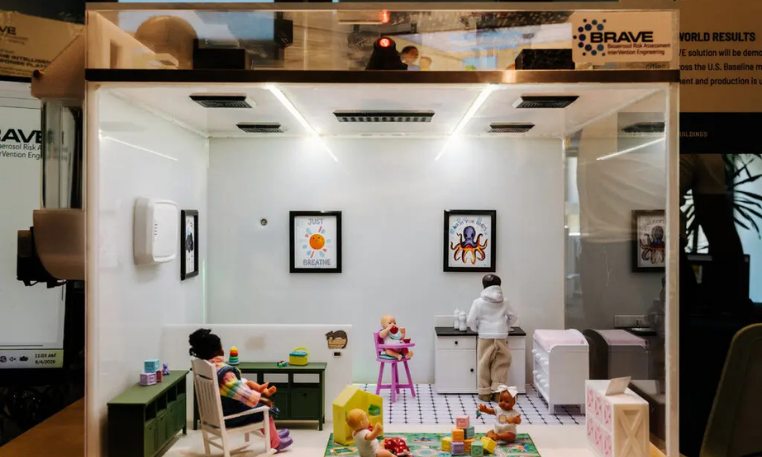
Environmental engineer Linsey Marr and her Virginia Tech team demonstrated a prototype that can detect tiny concentrations of airborne contaminants, including dust mite allergens, influenza, coronavirus, and E. coli, almost in real time. Traditional air testing can take days, making it difficult to respond before people are exposed.
The initiative builds on research dating back to the 1930s, when William and Mildred Wells showed that ultraviolet light could disinfect classroom air and reduce measles transmission. Despite these findings, airborne disease prevention was largely neglected until COVID-19 highlighted the importance of ventilation and air cleaning.