

Articles

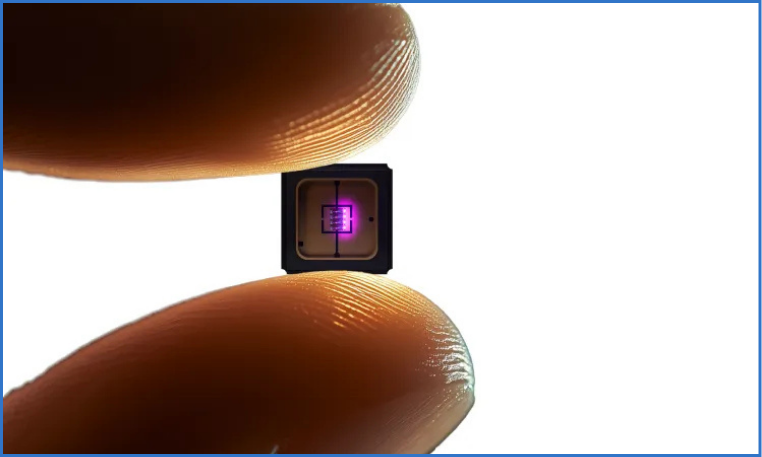
Continuous exposure to 222nm (Far-UVC) is proven to be safe for human skin

2026-09-04T14:55:12-05:00

Kobe University and Ushio Inc. finds evidence of 222nm being non-carcinogenic. Research conducted by Kobe University and Ushio Inc. examined the potential safety of repeated exposure to 222-nm ultraviolet-C (Far-UVC) light, a wavelength being studied for its ability to inactivate microorganisms while causing less damage to living tissue than conventional germicidal UV. Traditional 254-nm UVC is highly effective against bacteria and other microorganisms, but because it can penetrate more deeply into the skin and eyes, its use has generally been restricted when people are present. The researchers therefore investigated whether 222-nm Far-UVC could offer germicidal benefits with a lower risk of [...]
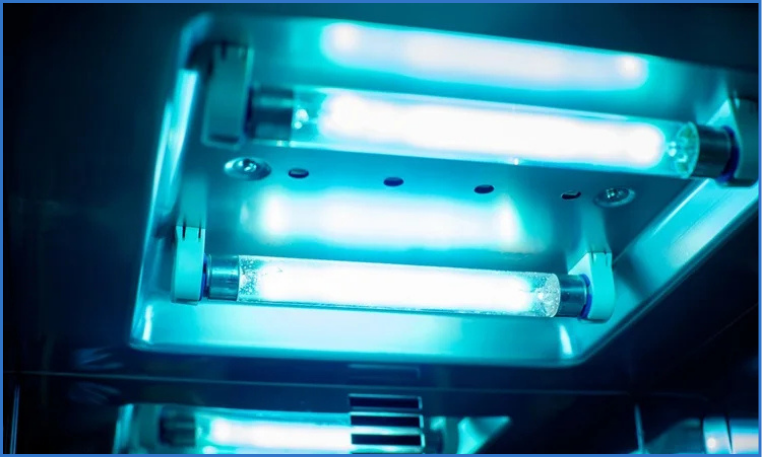
Continuous exposure to 222nm (Far-UVC) is proven to be safe for human skin2026-09-04T14:55:12-05:00

Allergens and Asthma Triggers, Inactivated with Far-UV (222nm)

2026-09-04T14:55:45-05:00

A wavelength that can cut airborne allergens by a quarter while still safe enough for human exposure. A recent study suggests that far-ultraviolet light at 222nm (Far-UVC) may have applications beyond microbial control by reducing the immune recognition of common airborne allergens. Allergens from sources such as dust mites, cats, dogs, grass, birch pollen, and mold can remain suspended indoors and contribute to allergic reactions and asthma. Because these allergens may persist in indoor environments for long periods, researchers have been exploring practical methods that could continuously reduce allergen exposure in occupied spaces. Researchers evaluated UV222 in a controlled 10-cubic-meter chamber [...]

Allergens and Asthma Triggers, Inactivated with Far-UV (222nm)2026-09-04T14:55:45-05:00

From pathogen droplet protocols to defenses against airborne transmissions.

2026-08-28T10:20:09-05:00

With WHO publishing a consultation report on updated terminologies, a shift in focus from Pathogen Droplets to Aerosolized Pathogens, and healthcare facilities throughout the world implementing new strategies to take into account Air Changes per Hour (ACH). The SARS-CoV-2 pandemic has bought onto mind a new mindset in preventing their transmission. Since many viruses, including SARS-CoV-2, are capable of becoming aerosolized, this puts anyone nearby at risk of infection from any aerosolized pathogens. Of course, this depends on the dosage of said pathogen, which differs depending on the pathogen. As of 2026, the US is currently concerned with 3 commonly aerosolized [...]

From pathogen droplet protocols to defenses against airborne transmissions.2026-08-28T10:20:09-05:00

Using Far-UVC Lamps to Prevent the Next Covid-19

2026-08-19T17:20:52-05:00

Fighting Covid-19, tuberculosis, flus, and other airborne diseases with Ultraviolet light. Far-UVC is becoming an ever more popular tool for reducing the spread of airborne infectious diseases. Generally referring to ultraviolet light with the wavelength of 222nm, the light is capable inactivating airborne pathogens while posing substantially less risk to human skin and eyes than conventional germicidal UV wavelengths. Schools, hospitals, offices, retail environments, and other various indoor spaces could significantly reduce disease transmission and potentially help contain future pandemics, such as from a future Covid-19, before they could even become widespread. Still, there have been concerns with how Far-UVC can [...]

Using Far-UVC Lamps to Prevent the Next Covid-192026-08-19T17:20:52-05:00

Ultraviolet Light vs Airborne Allergens

2026-08-19T17:18:54-05:00

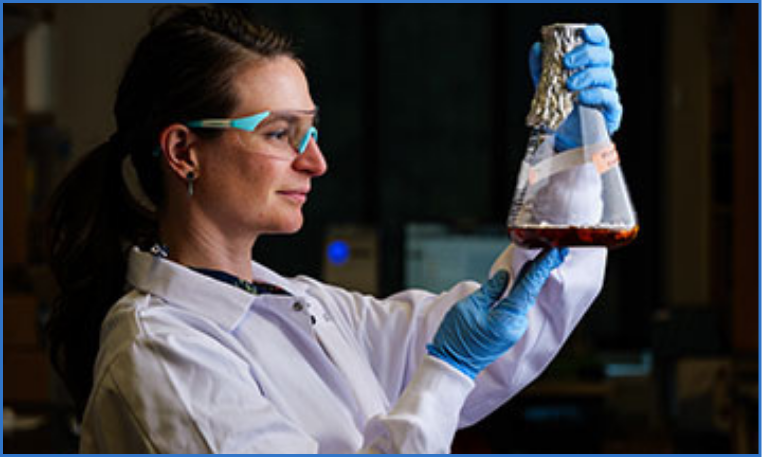
Nearly one-third of U.S. adults and children have been diagnosed with an allergic condition, with reactions varying in severity. Airborne allergens, often proteins from animal or plant sources, can persist in indoor environments for years due to their structural stability. Researchers from the University of Colorado Boulder, USA are able to determine that Far-UVC, a special Ultraviolet wavelength safe for human contact, is capable of inactivating protein allergens. The researchers have first used a controlled experimental system, releasing common allergens from mites, pet dander, mold, and pollen into a small chamber. Afterwards, they would switch on four Far-UVC lamps for 30 [...]

Ultraviolet Light vs Airborne Allergens2026-08-19T17:18:54-05:00

New technology that can rapidly detect airborne pathogens

2026-07-15T10:08:43-05:00

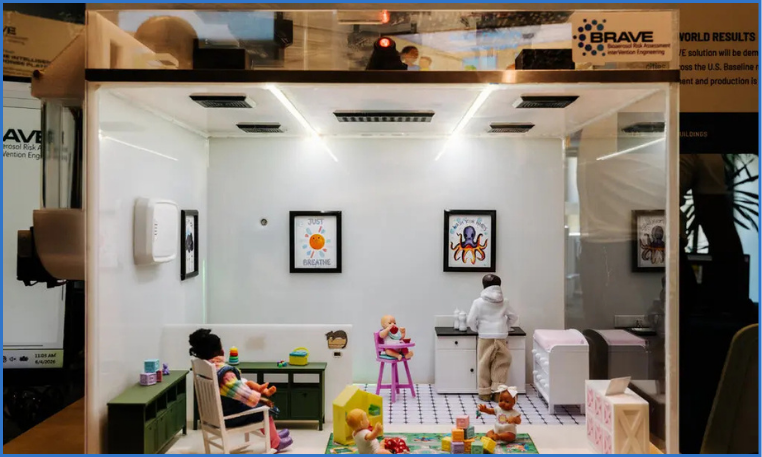
ARPA-H and the BREATHE (Building Resilient Environments for Air and Total Health) Program Environmental engineer Linsey Marr and her Virginia Tech team demonstrated a prototype that can detect tiny concentrations of airborne contaminants, including dust mite allergens, influenza, coronavirus, and E. coli, almost in real time. Traditional air testing can take days, making it difficult to respond before people are exposed. The initiative builds on research dating back to the 1930s, when William and Mildred Wells showed that ultraviolet light could disinfect classroom air and reduce measles transmission. Despite these findings, airborne disease prevention was largely neglected until COVID-19 highlighted the [...]

New technology that can rapidly detect airborne pathogens2026-07-15T10:08:43-05:00

International Conference on Far-UVC Science and Technology

2026-06-29T12:27:36-05:00

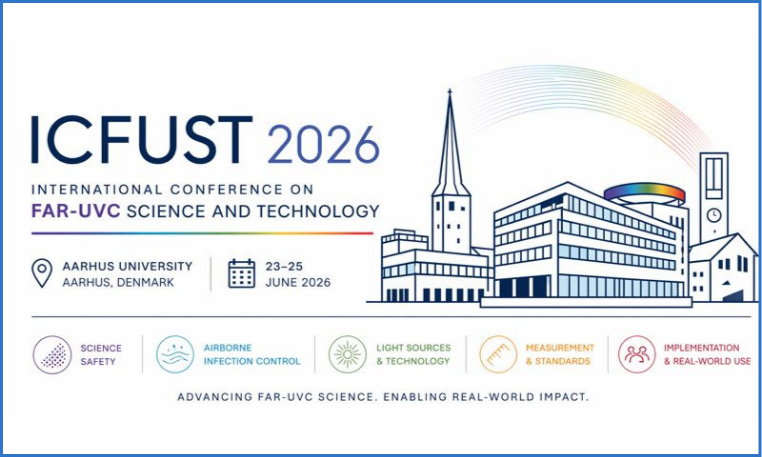
Far UVC at a Turning Point With ICFUST 2026 coming to a close, researchers, clinicians, engineers, and organizations all over the world have connected in order to understand more about the power of Far UVC. Get more details about the ICFUST here

International Conference on Far-UVC Science and Technology2026-06-29T12:27:36-05:00

Doctors identify the illnesses most likely to pose a risk during the World Cup

2026-06-29T12:15:13-05:00

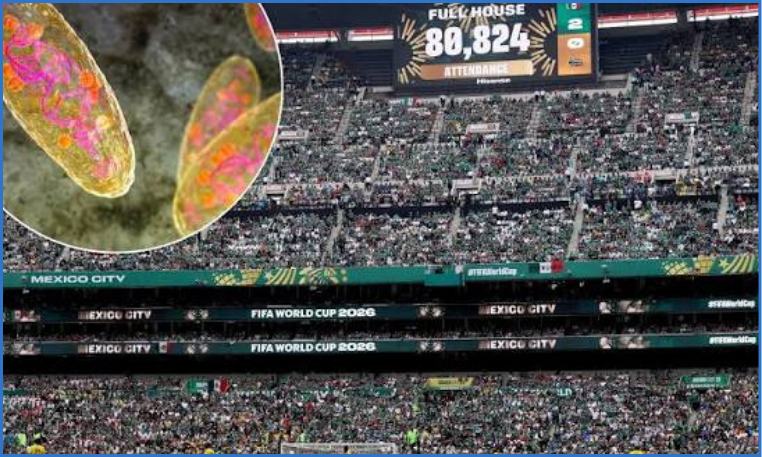
Whether its the return of Covid-19 or Hantavius, a number of infectious diseases can spread quickly in the 2026 World Cup. With the FIFA World Cup now underway, soccer fans are brought together worldwide, but experts warn that the large gathering could spread not only excitement, but also various infectious pathogens. “Mass gathering dynamics always increase the risk for infectious disease because you have congregate settings with high concentrations of people ... within the stadiums, airports, hotels and bars,” Dr. Tyler Evans, an infectious disease physician and CEO of the Wellness Equity Alliance, tells TODAY.com. Several factors make this World Cup [...]

Doctors identify the illnesses most likely to pose a risk during the World Cup2026-06-29T12:15:13-05:00

Researchers Recommend UV-C for Norovirus Inactivation, Continuous Surface Disinfection

2026-06-08T09:27:30-05:00

Be sure to wipe down surfaces first and use the Far UV while the surface is still wet. Researchers have noted that Far-UVC (222nm) is considered safer for human skin and eyes than a standard 254nm GUV, making it suitable for use on frequently touched surfaces and potentially for hand disinfection. However, the study found that this added safety comes with some limitations, as Far-UVC’s lower penetration makes it less effective when organic matter is present or when surfaces are rough. As a result, the researchers recommended using Far-UVC after surfaces have been cleaned to remove debris and organic material, preferably [...]

Researchers Recommend UV-C for Norovirus Inactivation, Continuous Surface Disinfection2026-06-08T09:27:30-05:00
Go to Top