
Nearly one-third of U.S. adults and children have been diagnosed with an allergic condition, with reactions varying in severity. Airborne allergens, often proteins from animal or plant sources, can persist in indoor environments for years due to their structural stability.
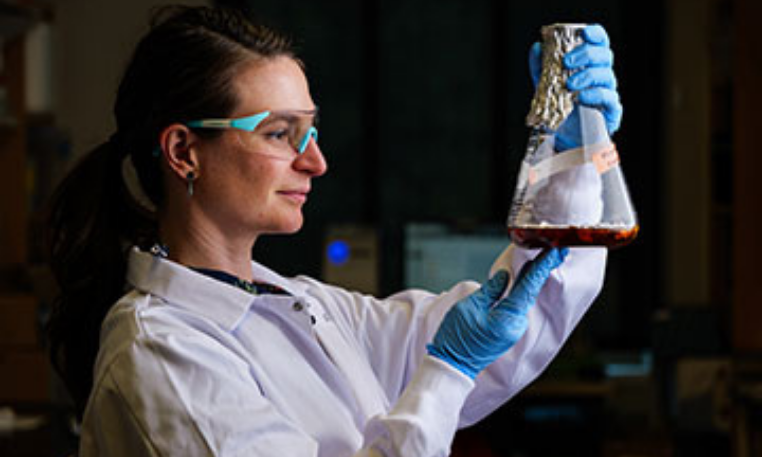
Researchers from the University of Colorado Boulder, USA are able to determine that Far-UVC, a special Ultraviolet wavelength safe for human contact, is capable of inactivating protein allergens. The researchers have first used a controlled experimental system, releasing common allergens from mites, pet dander, mold, and pollen into a small chamber. Afterwards, they would switch on four Far-UVC lamps for 30 minutes, while testing the air every 10 minutes.
“This wavelength of UV light interacts with proteins, including protein allergens, and we believe that it may change their structure to ‘inactivate’ them,” said Eidem. “Importantly, this wavelength of UV light is considered more ‘occupant safe’ than conventional germicidal UV light at 254 nm and doesn’t penetrate as deeply into human skin or eyes.”
For more information, read the complete research article here.
You can also find the original news article tackling this topic from the Optica web page here.