
Fighting Covid-19, tuberculosis, flus, and other airborne diseases with Ultraviolet light.
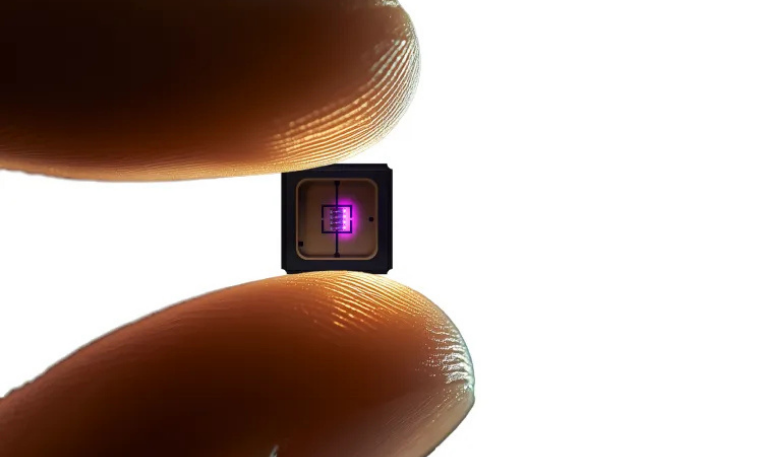
Far-UVC is becoming an ever more popular tool for reducing the spread of airborne infectious diseases. Generally referring to ultraviolet light with the wavelength of 222nm, the light is capable inactivating airborne pathogens while posing substantially less risk to human skin and eyes than conventional germicidal UV wavelengths. Schools, hospitals, offices, retail environments, and other various indoor spaces could significantly reduce disease transmission and potentially help contain future pandemics, such as from a future Covid-19, before they could even become widespread.
Still, there have been concerns with how Far-UVC can interact with oxygen to produce ozone, which may contribute to harmful secondary pollutants and particulate matter. However, recent studies suggest that ozone production is much more manageable than expected. Experiments have found no significant increase in ozone or particulate levels when Far-UVC lamps are used.
If you wish to read more, you may find more information in the Vox article here.