
Rapidly declining government preparedness gaps and public mistrust could turn a single biological incident into a worldwide crisis.
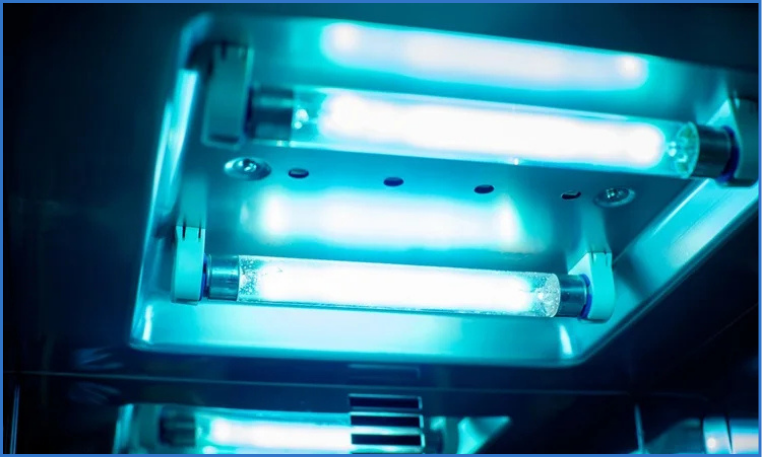
Investigative journalist Annie Jacobsen discusses her book Biological Warfare: A Scenario, which examines how a severe biological incident, whether caused by an attack, accident, or laboratory leak, could rapidly destabilize society. Biological threats may be especially dangerous because pathogens can spread invisibly through people and across borders. Airborne pathogens receive particular attention because they can remain suspended indoors and spread through ordinary human breathing and movement.
One of the biggest thing to note is that biotechnology inherently has “dual-use”. The same genetic-engineering tools that can produce vaccines, treatments, diagnostic systems, and other medical advances may also be used to make pathogens more transmissible, more deadly, or resistant to available treatments. Jacobsen reviews the history of biological-weapons programs, including the 1972 Biological Weapons Convention and allegations that certain countries continued secret research after signing it.
The interview repeatedly returns to lessons from COVID-19, particularly the damage caused by unclear guidance, delayed acknowledgment of uncertainty, institutional mistrust, supply-chain dependence, and political polarization. Jacobsen calls for improved diagnostics, transparent communication, stronger preparedness, accountability for past mistakes, and a broader public discussion about laboratory safety and biotechnology.
Listen to the entire Shawn Ryan Show podcast in YouTube here.