
Harnessing Far-UVC Light to Combat Airborne Diseases in Public Spaces
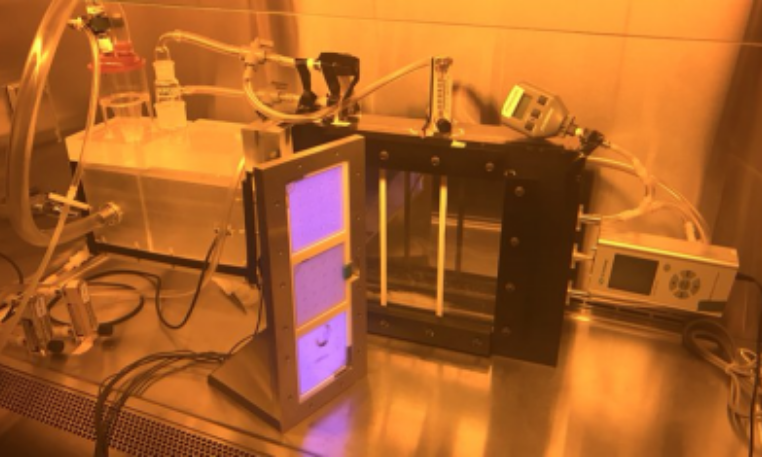
Columbia University’s Center for Radiological Research is studying Far-UVC light as a method for reducing airborne disease transmission in occupied public spaces. Focusing on wavelengths around 220–222 nanometers, which can inactivate airborne microorganisms such as influenza viruses, coronaviruses, and bacteria, the goal of the study is to prevent infections by destroying pathogens while they are still circulating in the air rather than treating people after they become sick.
Though conventional germicidal ultraviolet light (GUV) can also kill airborne pathogens, it can still damage the skin and eyes when directly exposed. Columbia’s researchers explain that Far-UVC (222 nm) has a much shorter penetration depth in biological tissue. It is intended to reach and inactivate tiny airborne microorganisms while being unable to penetrate the protective outer layer of human skin or deeply enter the eyes.
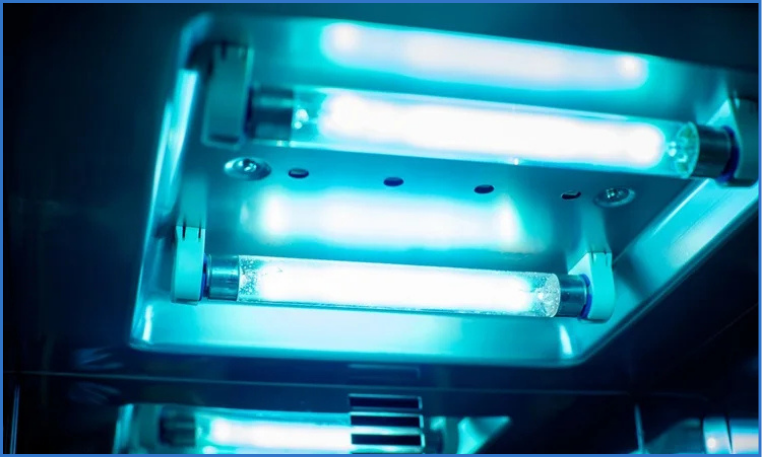
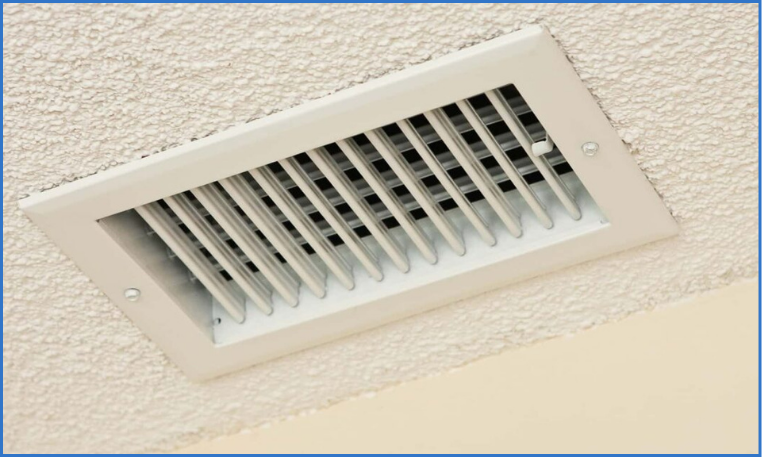
Far-UVC lamps can be incorporated into ordinary ceiling fixtures and continuously operating in busy indoor environments. Potential applications include healthcare facilities, homeless shelters, office spaces, and other shared spaces where airborne infections can spread. Because the fixtures could resemble conventional lighting systems, the technology may be relatively easy to install as an additional layer of protection alongside ventilation, filtration, vaccination, and other infection-control measures.
Finally, there are also academic publications and ongoing efforts to bring the technology closer to broader use. Listed research from Columbia University include studies on airborne coronaviruses, microbial disease control, mammalian skin safety, and the use of 222 nm Far-UVC to inactivate airborne bacteria.