

UV-C in healthcare can either become “hygiene theater” or a genuinely useful infection-control tool.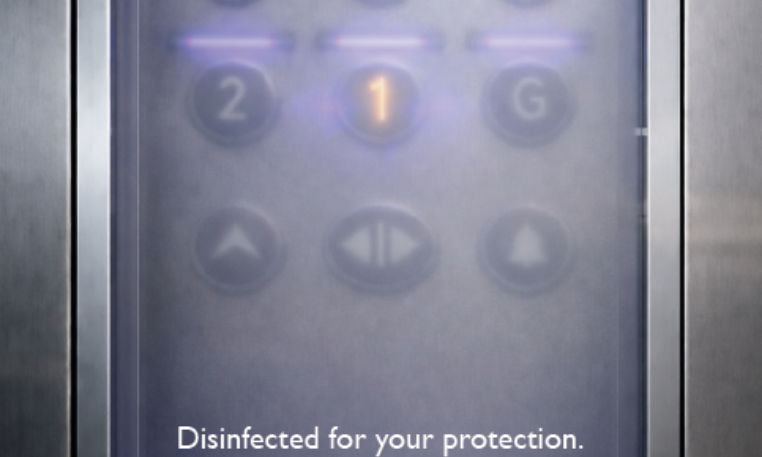
The defines “hygiene theater” as visible but ineffective cleaning practices that look reassuring without being scientifically matched to how infections really spread. Their main framework is that any UV-C intervention should begin with understanding facility-specific transmission routes, then use technology validated for that exact real-world application, and finally include monitoring so the system keeps performing as designed.
To make that case, theoretical UV-C performance can be contrasted with real-world limitations. For high-touch surfaces, enclosed UV-C devices may disinfect a specific point such as elevator buttons or bathroom latches, but often leave the rest of the contact chain untouched, so their effect on overall infection reduction is unclear. For upper-room UVGI, historical studies stressed that outcomes depend heavily on fixture performance, air mixing, disease prevalence outside the treated space, and proper installation.
Read the full article here.