

ECDC has deployed an expert from the EU Health Task Force to the cruise ship affected by the Andes hantavirus outbreak, as part of a joint effort to investigate the outbreak and coordinate the public health response together with relevant Member States.
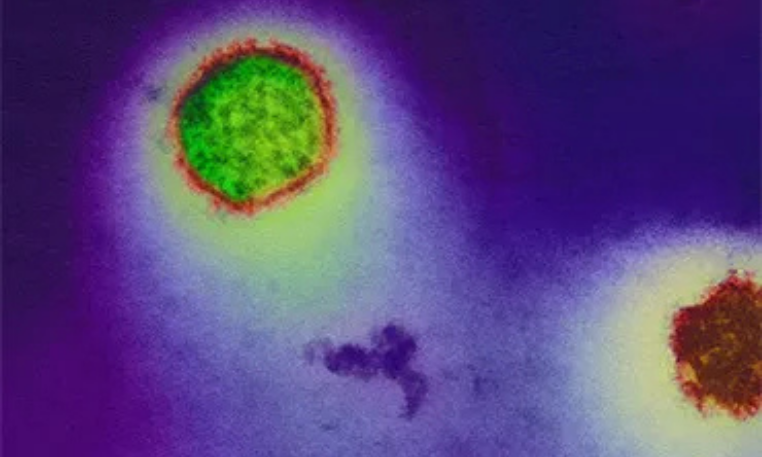
On May 2, 2026, the Netherlands informed ECDC through the European Union Early Warning and Response System (EWRS) about a cluster of an unidentified illness causing severe respiratory symptoms aboard a Dutch-flagged cruise ship in the South Atlantic. The ship was carrying 149 people from 23 nationalities, including passengers or crew from nine EU/EEA Member States: Belgium, France, Germany, Greece, Ireland, the Netherlands, Poland, Portugal, and Spain. At that time, two people had died, and one person had been medically evacuated to South Africa in critical condition. On May 3, 2026, a PCR test from that patient came back positive for hantavirus.
Person-to-person transmission of ANDV has only been reported after close and extended contact. The current theory is that some passengers may have been exposed to ANDV while in Argentina before boarding the cruise ship, as the virus is endemic there, and may later have spread it to other passengers onboard. Because the investigation is still in its early stages and information remains limited, everyone on the ship is being considered a close contact as a precaution, given the enclosed environment and shared social spaces and activities.